
Where Truth Leads and Students Thrive
Strategic Plan 2026–2029
Columbia Academy’s roadmap for 2026–2029, across seven focus areas.

Focus Area 1 of 7
Admissions & Recruitment
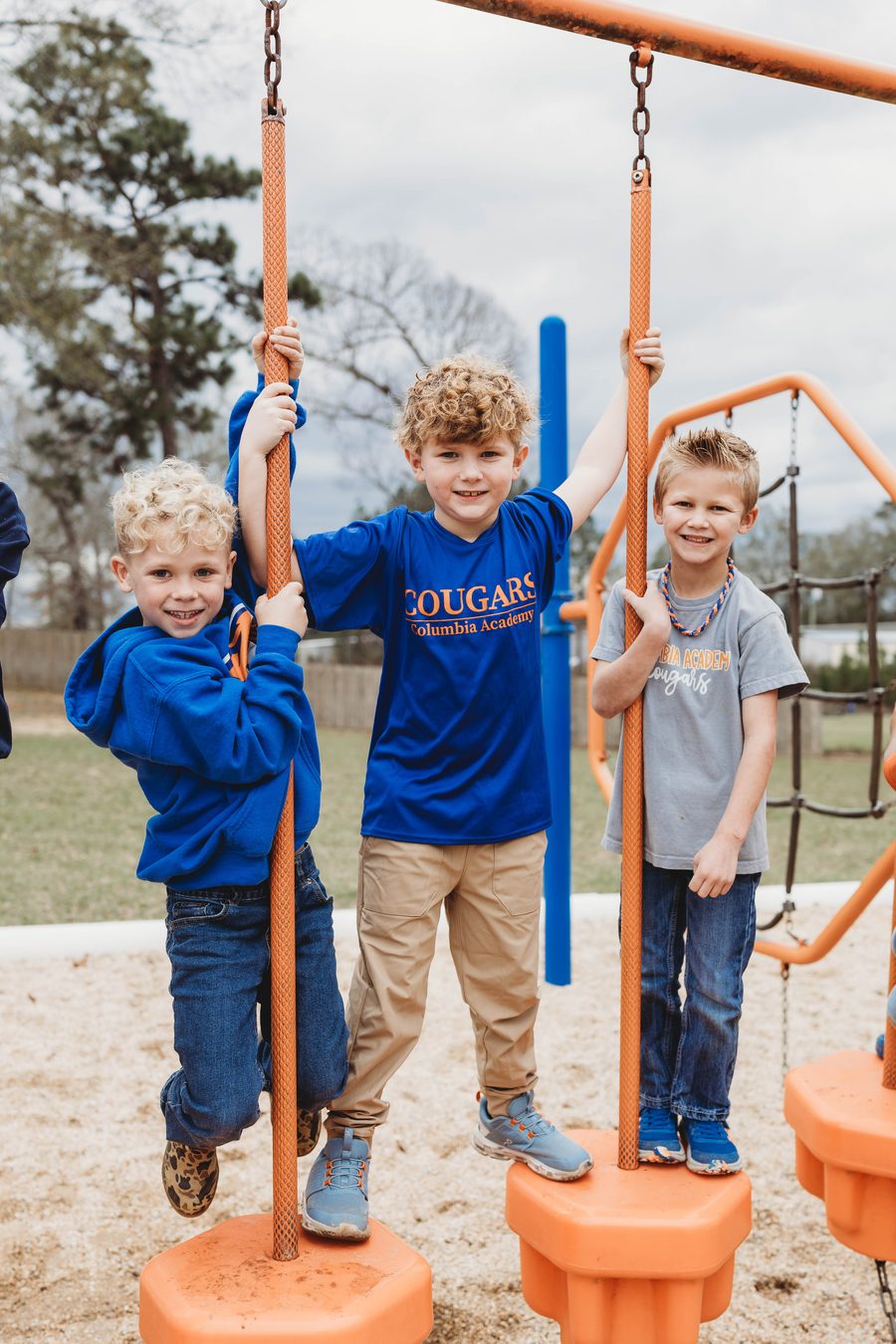
Achieve a mission-driven admissions process that is consistent, fair, and preserves our identity.
- By Q3 2026complete a comprehensive review of all current admissions policies and procedures to identify any arbitrary criteria or inconsistencies in application evaluation.
- By Q4 2026design and implement a new, weighted, multi-factor applicant scoring model that prioritizes mission-aligned attributes and may include a consistent merit-based testing component for all applicants.
- By Q1 2027investigate current and alternative standardized testing instruments for admissions. Coordinate with MAIS (Mississippi Association of Independent Schools) officials and/or their accreditation standards to ensure the chosen testing is both compliant and effectively measures the specific merits (critical thinking, core subject mastery) required for our mission-aligned applicants.
Strengthen recruitment strategies and enrollment through targeted recruitment and mission-driven marketing.
- By Q1 2026we will attempt to recruit and hire a qualified Director of Development to champion the school’s long-term fundraising and capital campaign initiatives, providing essential leadership for our future growth.
- By Q1 2027we will investigate, refine, and implement at least three high-impact recruitment strategies specifically targeting our most vital natural entry points: Pre-K and Kindergarten (K3–5). Potentially, spring play dates or other events that invite parents on campus.
- By Q1 2027we will develop and launch a truly comprehensive, mission-driven marketing plan focused on highlighting the quality of our Kindergarten program and other aspects of the natural entry points of our school.
Complete a comprehensive market analysis to define recruitment areas and deliver an actionable market capacity analysis that estimates the total potential market size (“market cap”).
- By Q1 2028select and contract with a qualified independent educational consultant who specializes in independent school market research.
Focus Area 2 of 7
Finances
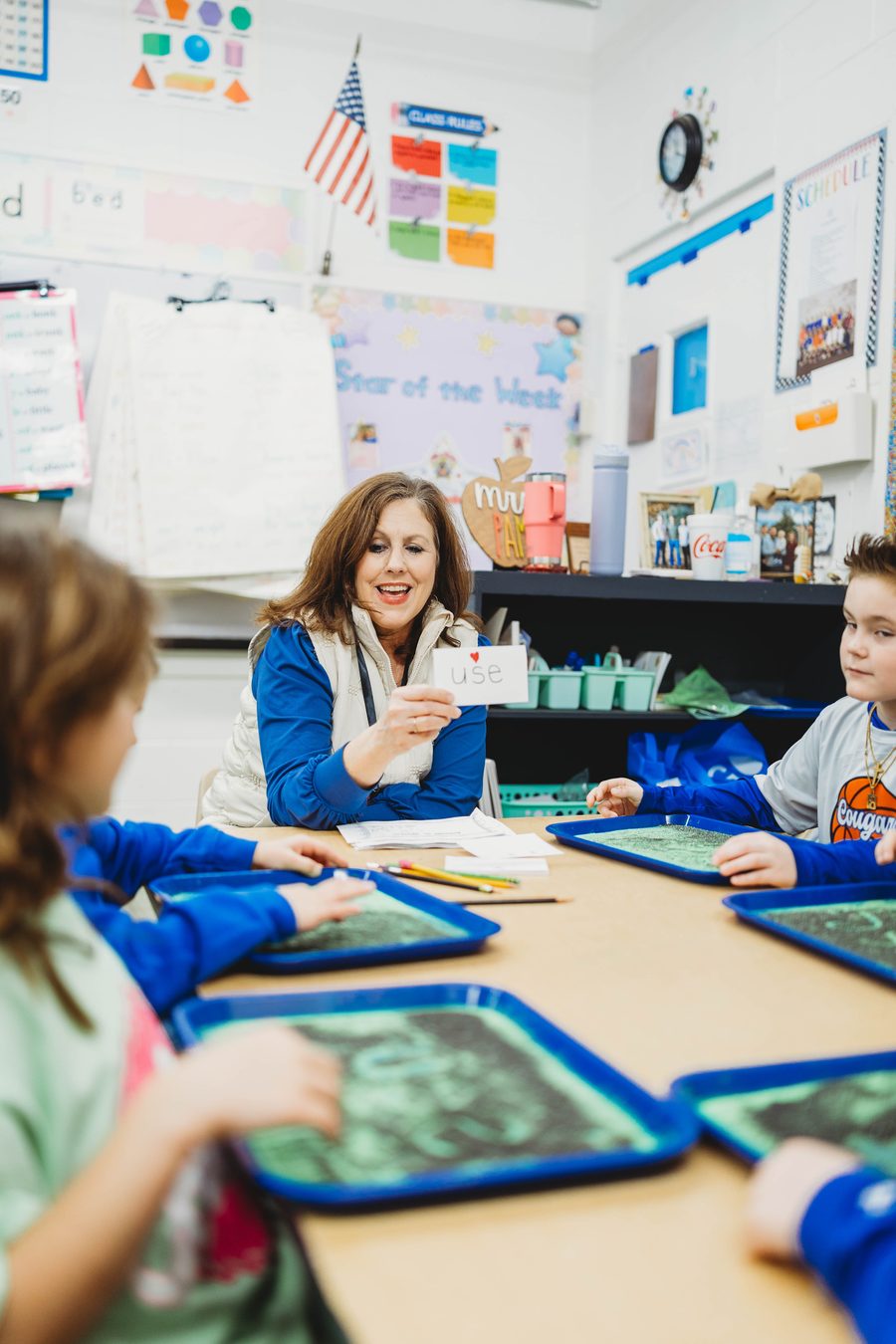
Establish a working budget for daily school operations.
- By Q3 2026complete a comprehensive review of financial statements, including income and operational expenses.
- By Q3 2026design and implement a budget model based on student enrollment.
Identify, categorize, and engage donors in order to increase major gifts revenue by 20%.
- By Q4 2026develop criteria that defines a “Major Donor” and define categories for other donors based on when and how often each category should be approached in fundraising efforts.
- By Q4 2026complete a comprehensive review of current financial contributors, categorizing them into the defined lists.
- By Q1 2027identify at least 50 new potential donors, targeting 25 or more new “Major Donors.”
- By Q4 2026develop a well-thought-out Donor Engagement Action Plan and increase engagement with CA through personal contact.
- By Q1 2027develop an Annual Mission-Focused Donor Report to be distributed to “Major Donors” and presented at the Annual Meeting.
Review employee compensation to ensure competitiveness and alignment with school growth and sustainability.
- By Q4 2027complete a comprehensive review of employee compensation, including a comparative analysis of other local private schools with similar student enrollment.
Focus Area 3 of 7
Campus Safety & Security
The safety of our students, staff, and campus is a foundational priority.
Maintain a visible, well-trained safety presence that gives students, families, and staff confidence in a secure campus.
Keep emergency and lockdown procedures clear, consistent, and regularly reviewed across campus.
Conduct periodic campus-wide safety and technology reviews, addressing priority needs as resources allow.
Invest in campus safety infrastructure and technology to protect our school community.
Focus Area 4 of 7
Academics
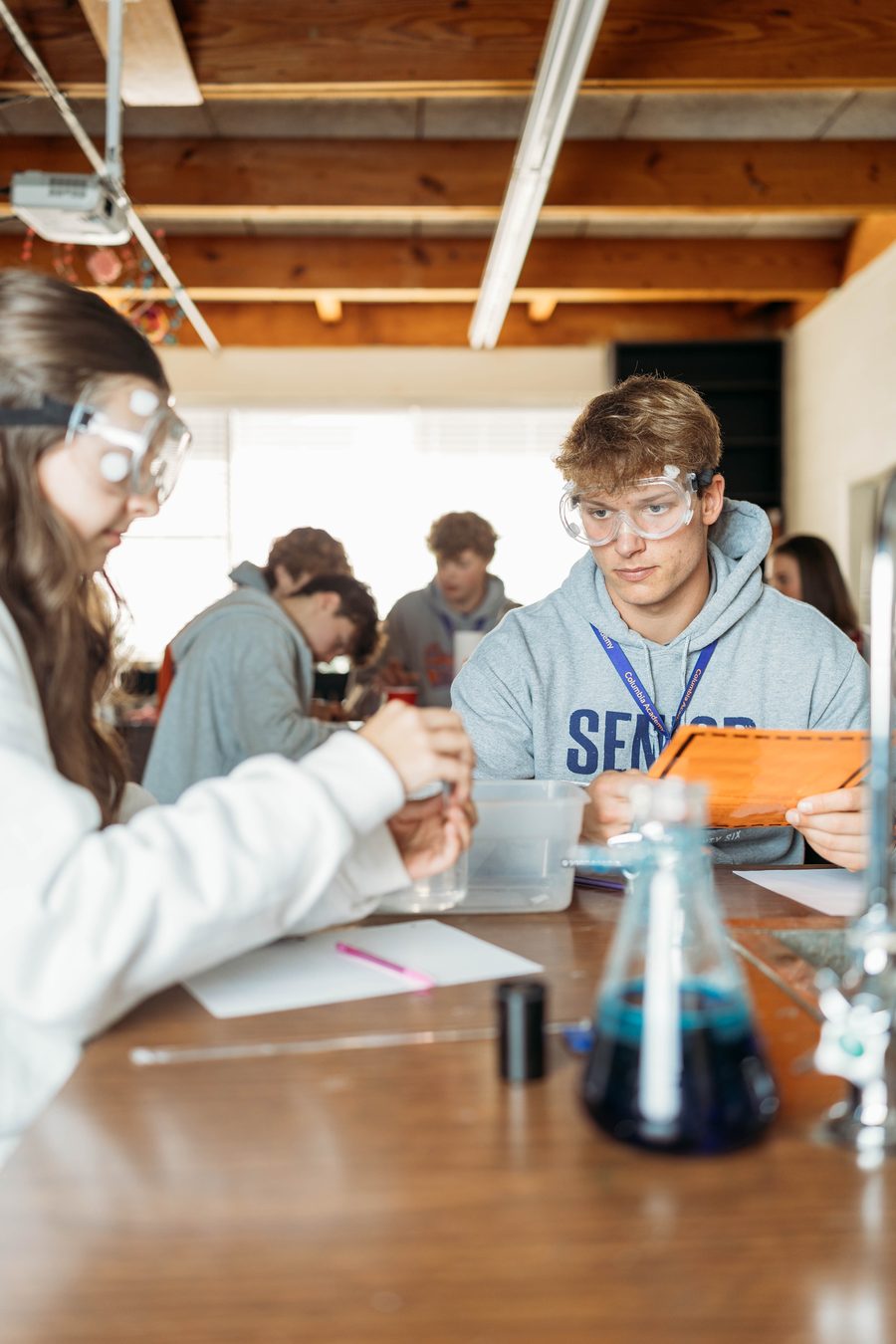
Enhance K–6 academic programming through intervention, enrichment, and supplemental learning opportunities that challenge and support all learners.
- By Q3 2026define the role and scope of a K–6 academic interventionist, with responsibilities focused on identifying and supporting struggling students through targeted small-group instruction, progress monitoring, and collaboration with classroom teachers.
- By Q1 2027design and implement an elementary enrichment program that identifies and provides enrichment opportunities in core subjects and critical thinking.
- By Q3 2027implement an annual plan to provide subject-specific professional development for K–6 faculty based on assessment data-driven needs, with a focus on differentiated instruction, enrichment strategies, and advanced learner support.
Evaluate and expand high school elective offerings, including at least two new advanced elective options.
- By Q3 2026evaluate existing CA core classes, electives, and external options through MSAIS.net, assessing quality, rigor, and alignment with college/career readiness.
- By Q1 2027conduct a student elective interest survey to identify top areas of interest for new elective development.
- By Q3 2027launch BuildMS career-pathway programming with a foundational course: Introduction to Basic Construction Skills, supported by mentoring relationships with local businesses.
Evaluate the current K–12 master schedule to improve instructional time, student support access, and teacher collaboration.
- By Q3 2027conduct a full schedule audit across all grade levels to assess instructional minutes, transitions, intervention blocks, and alignment with best-practice benchmarks and accreditation standards.
- By Q1 2028survey teachers, students, and parents about perceived scheduling strengths and challenges, including time for enrichment, remediation, electives, and collaboration.
- By Q2 2028research model schedules from comparable schools that successfully balance academic rigor, student wellness, and faculty planning time.
- By Q3 2028present 2–3 scheduling model options to the leadership team and faculty, with a phased implementation plan for any adopted changes.
Focus Area 5 of 7
Building and Grounds
Design a comprehensive, long-term site plan that aligns with Columbia Academy’s mission and future growth.
- By Q4 2027research and identify a vendor, which aligns with the mission statement, to engage for a comprehensive, long-term site planning project.
- By Q1 2028create a line item in the budget, or secure outside funding, to engage the selected vendor for the project.
Create a facilities maintenance program that supports long-term sustainability and preserves the integrity of campus systems and equipment.
- By Q1 2027complete a comprehensive review of facilities, including age of systems and equipment currently in use.
- By Q3 2027design a program to maintain current facilities, including systems and equipment. This would include a budget line item for annual maintenance and repairs.
- By Q3 2027identify long-term maintenance capital requirements and provide them to the finance committee for budgetary purposes.
Focus Area 6 of 7
Athletics and Activities
Explore additional offerings to our JV/V athletic and activities departments.
- By Q2 2027survey all current students up to the Sophomore class to assess interest in each potential athletic expansion (girls’ volleyball, soccer, esports, skeet, fishing).
- By Q3 2027conduct a full audit of facility requirements, equipment needs, and scheduling demands for all sports with medium-to-high student interest.
- By Q2 2027develop and submit a budget proposal—including start-up costs, ongoing expenses, student interest levels, and potential revenue opportunities—to the board.
Develop a broadcasting, media, and journalism elective that engages students in play-by-play sports broadcasting, reporting, and media production.
- By Q3 2026outline the course structure and learning objectives for a media and broadcasting elective, including units in live commentary, journalism, and digital production.
- By Q3 2026identify equipment, software, and staffing needs; secure initial resources or funding to launch the course.
- By Q3 2026pilot the course with a small group of students and integrate real-time practice opportunities (e.g., live streaming, newsletter segments, social media content) tied to CA events.
Focus Area 7 of 7
Spiritual Development

Design and implement a comprehensive Bible curriculum across all grade levels that fosters spiritual growth, biblical literacy, and life application.
- By Q2 2027conduct a comprehensive review of all current Bible curriculum materials and instruction practices across K–12.
- By Q1 2028evaluate at least three Biblically sound curriculum options (K–6 and 7–12) for alignment with Columbia Academy’s mission, spiritual development goals, and doctrinal beliefs.
Implement a discipleship framework across all grade levels that includes (1) daily Bible instruction, (2) weekly chapel services, (3) grade-appropriate spiritual formation activities, and (4) mentorship or small group opportunities.
- By Q3 2027develop a vertically aligned discipleship framework that outlines expectations and components for each grade level (K–12), including spiritual formation milestones.
- By Q3 2027launch small group or mentorship pilot programs in at least one division (elementary, middle, or high school), with defined structure, meeting schedule, and faculty mentors.
- By Q3 2028create a planning calendar that integrates weekly chapel, spiritual formation experiences (retreats, service days, prayer events), and Bible instruction into the yearly schedule across all divisions.
Conduct research for mission/outreach trips available for high school students regionally and nationally.
- By Q2 2027identify and compile a list of 5–7 reputable Christian organizations that offer short-term domestic mission trip opportunities aligned with CA’s values.
- By Q4 2027survey students, parents, and faculty to assess interest, concerns, and preferred timeframes for future mission trips.
- By Q1 2028present a proposal for at least one mission/outreach trip opportunity (regional or national) for high school students, including cost, timeline, and chaperones.
Establish CA Serves as a school-wide initiative in which each grade level (7th–12th) adopts a local charity or ministry and participates in at least one day of service annually.
- By Q3 2026identify and partner with a minimum of six local ministries or nonprofit organizations that align with Columbia Academy’s mission and values.
- By Q2 2027assign each 7th–12th grade class a specific organization, and schedule one service day per grade during the academic year.